not to be confused with Bali, an island in the south of Indonesia !
Credit : C. Marcello
The name Basilius first appeared in 1066. After several changes, Basly was mentioned with its current spelling in writings from 1558.
The history of the village was marked by the arrival of Swiss evangelists and Calvinists. The presence of Protestantism led to the construction of a temple in 1685, which was destroyed shortly after the revocation of the Edict of Nantes.
Basly is located between the Caen metropolitan area and Courseulles-sur-Mer, not far from the Canadian Juno sector of the D-Day beaches.
The layout of this pretty little rural village, home to large farms, has changed since the 1970s.
The village is surrounded by beautiful fields of flax, rapeseed, barley, and wheat.
The commune is still home to two working farms, a baker-pastry chef, painters, and numerous cottages and guest rooms for enjoying a peaceful stay in the countryside.
Things to see and do in Basly :
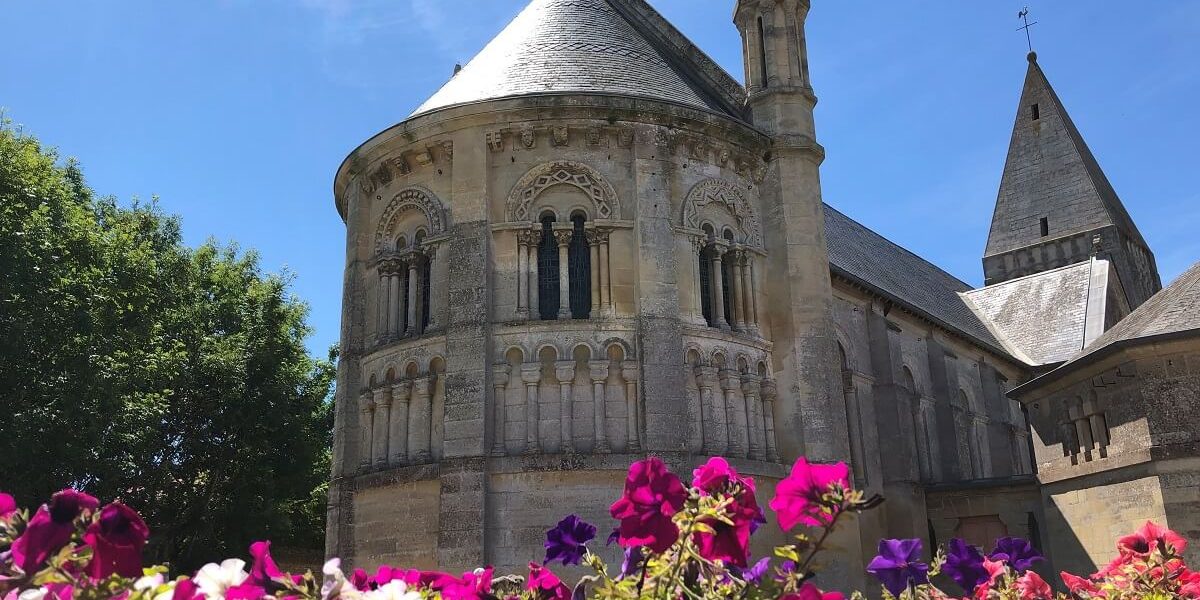
The Church of Saint-Georges (église Saint-Georges) : from the 12th century, a Protestant stronghold for centuries, the village of Basly has experienced many conflicts with the Catholic Church.
The town hall : located in the former presbytery and its garden.
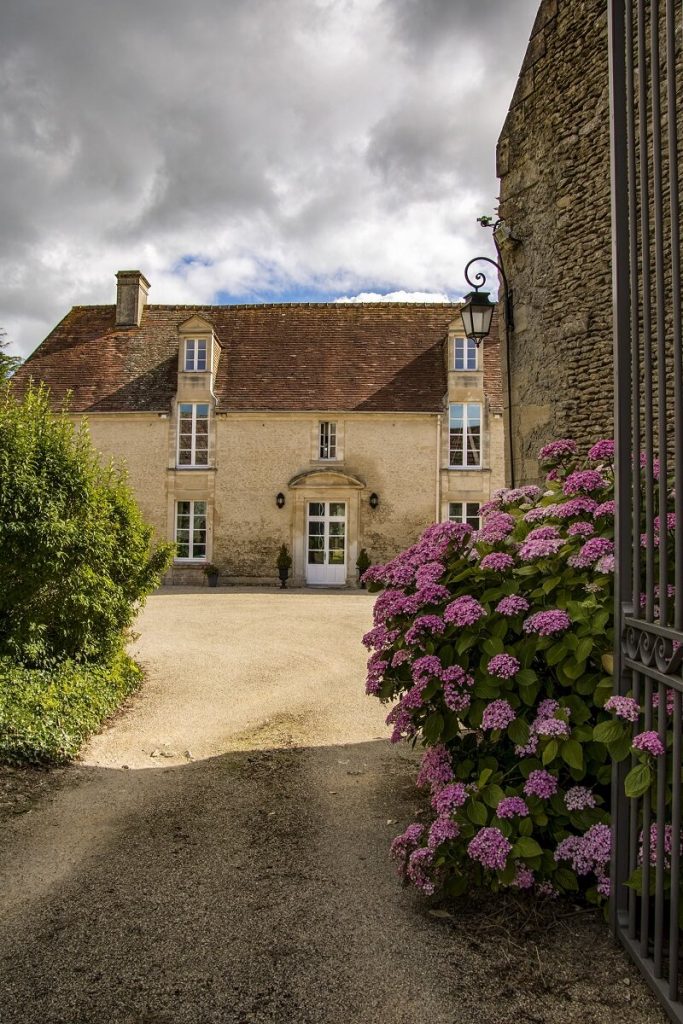
The farm – manor house : this building dating from the 16th century is probably the former farm adjoining the “castle” of Basly, which was burnt during the Revolution.
The “castle” of Basly (château) : this is a bourgeois residence in the Directoire style which was built in the park next to the manor farm.
The former Basly hospital : from 6 June, the village of Basly school was transformed into a field hospital by the Canadian army’s medical corps. Private nurse Bud Hannam, of the 13th Ambulance Unit, arrived on the evening of D-Day. He stayed there for 52 days.
The motocross : a field set up by the Basly Motoclub makes the commune known far and wide in the world of motorbike sports.